 11
11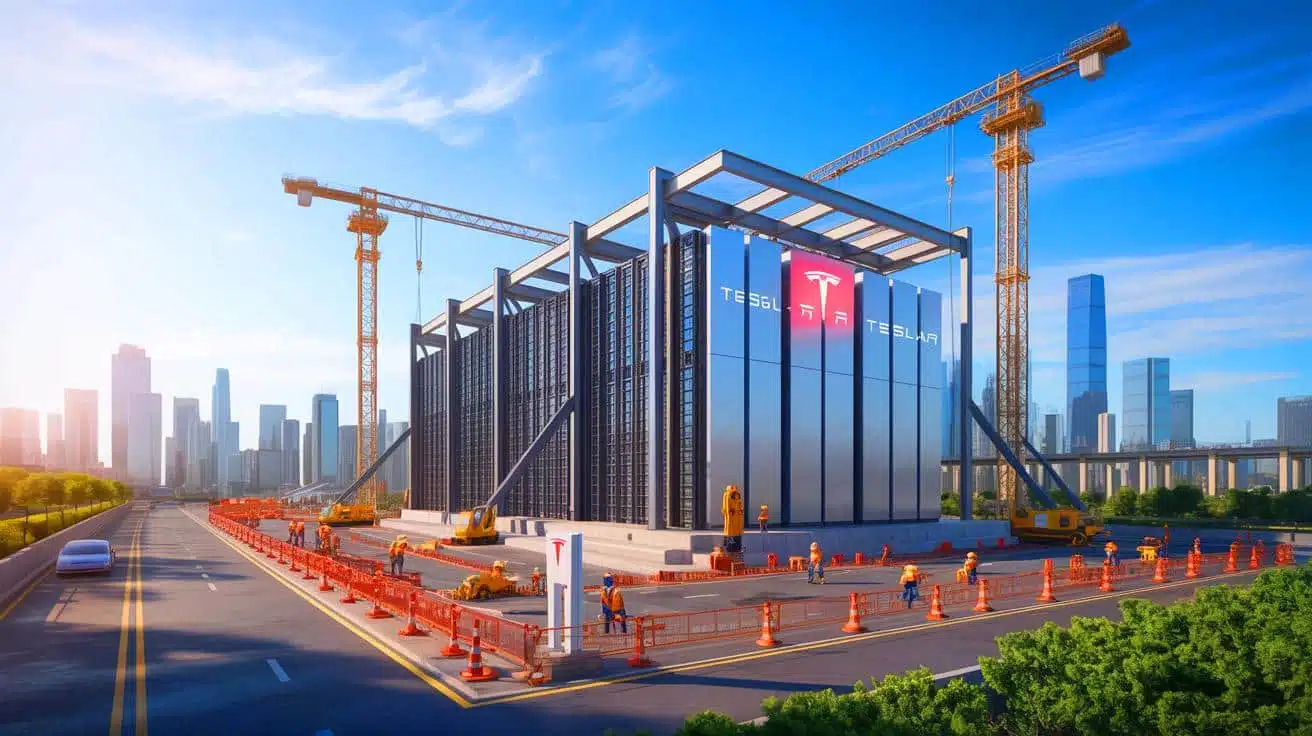
In the rapidly evolving landscape of global energy, few developments have captured as much attention as the Tesla China Battery Project Renewable Energy. This ambitious initiative represents a pivotal step in Tesla’s expansion into energy storage solutions, particularly in one of the world’s largest markets for renewables. Launched amid geopolitical tensions and a global push toward sustainability, the project underscores Tesla’s commitment to bridging the gap between intermittent renewable sources like solar and wind and reliable grid power. By establishing a massive battery storage facility in Shanghai, Tesla is not only enhancing China’s energy infrastructure but also setting a benchmark for how electric vehicle (EV) manufacturers can pivot into broader energy ecosystems.
The Tesla China Battery Project Renewable Energy, valued at approximately $557 million, involves the construction of China’s largest grid-scale battery storage station using Tesla’s Megapack technology. This deal, signed in June 2025 with partners including China Kangfu International Leasing and the Shanghai municipal government, marks Tesla’s first foray into directly supplying energy services in China, beyond mere manufacturing. The project’s core aim is to stabilize the grid, integrate more renewables, and reduce reliance on fossil fuels, aligning with China’s aggressive targets for carbon neutrality by 2060.
As of March 2026, the Tesla China Battery Project Renewable Energy has already begun to influence discussions on sustainable energy worldwide. With production ramping up at Tesla’s Shanghai Megapack factory, which started operations in February 2025, the initiative promises to deliver 10,000 Megapack units annually, equating to about 40 gigawatt-hours (GWh) of storage capacity. This capacity could power millions of homes during peak demand or store excess energy from renewables, preventing waste and ensuring efficiency. The project’s timing is crucial, as China added over 42 GW/101 GWh of battery storage in 2024 alone, excluding pumped hydro, positioning the nation as a leader in this sector.
This article explores the multifaceted impacts of the Tesla China Battery Project on Renewable Energy, from economic boosts to environmental gains, while addressing challenges and prospects. By delving into its details, we can appreciate how this project is reshaping renewable energy dynamics not just in China, but globally.
Tesla’s journey in China began with its Gigafactory Shanghai in 2019, primarily focused on EV production. However, the company’s energy division has grown exponentially, with energy storage deployments reaching 31.4 GWh in 2024, doubling the previous year. This growth reflects a strategic shift toward energy solutions, where batteries play a central role in supporting renewables. China, as the world’s largest producer of solar and wind energy, faces significant challenges with grid stability due to the intermittent nature of these sources. In 2024, China installed 37 GW/91 GWh of new energy storage, more than double 2023’s figures, bringing cumulative capacity to 62 GW/141 GWh. Utility-scale systems over 100 MW accounted for 75% of these installations, highlighting the demand for large-scale solutions like Tesla’s Megapacks.
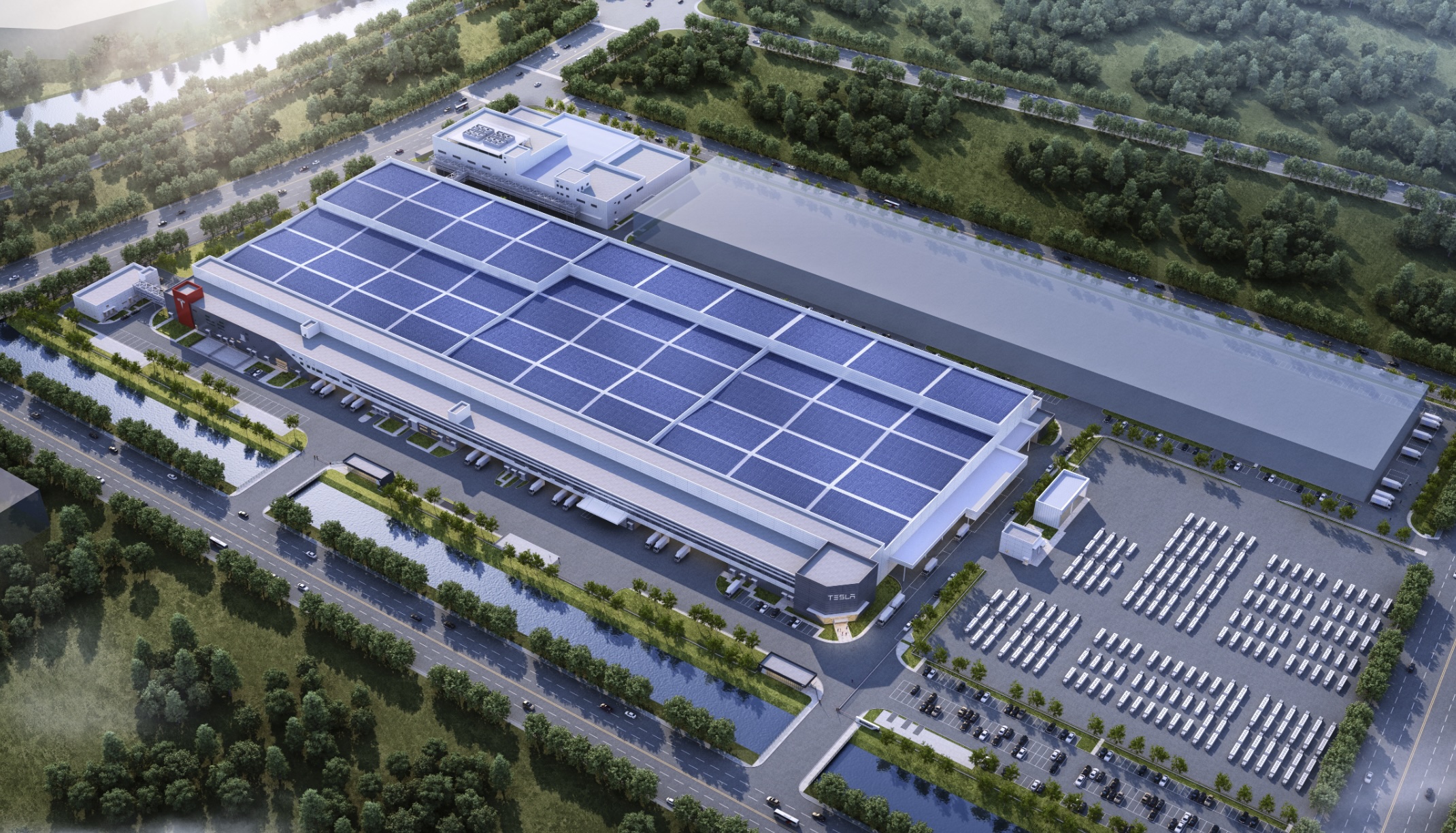
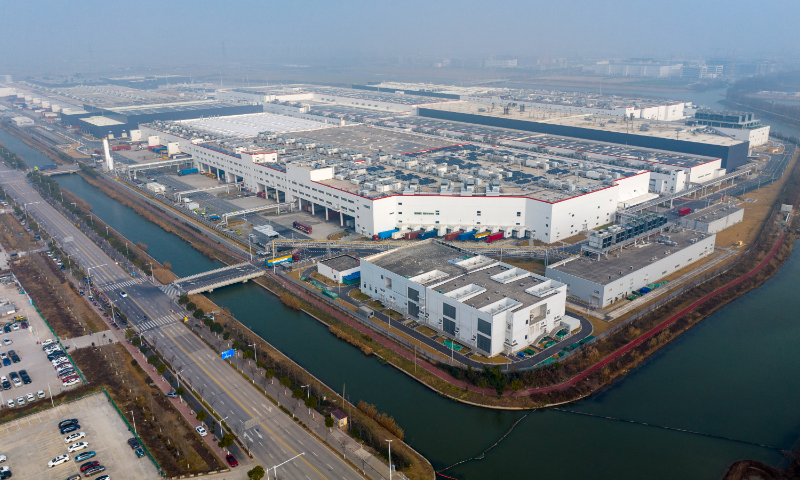
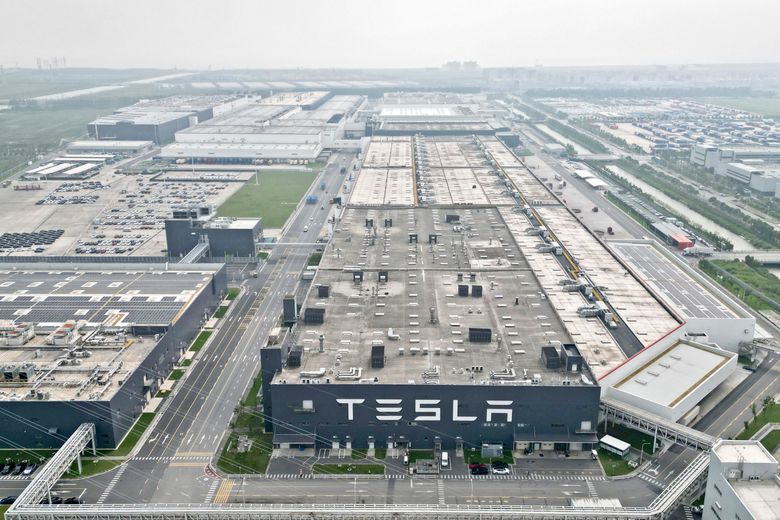
The Tesla China Battery Project Renewable Energy emerges from this context, building on Tesla’s existing presence in Shanghai. The Megapack factory, a $200 million investment, broke ground in May 2024 and was completed remarkably quickly, starting production in early 2025. This facility is Tesla’s first battery plant outside the U.S., located in the Lingang Pilot Free Trade Zone, and is designed to produce Megapacks for both domestic use and export. Amid U.S.-China trade tensions, including tariffs imposed by the U.S. on Chinese imports, Tesla’s move demonstrates resilience and a commitment to local partnerships.
China’s energy goals are ambitious: peaking carbon emissions by 2030 and achieving neutrality by 2060. To meet these, Beijing has targeted 40 GW of battery-powered storage by 2025. The Tesla China Battery Project Renewable Energy directly supports this by providing “smart regulators” for urban grids, adjusting supply and demand in real-time. Tesla sources battery cells from the Chinese giant CATL, which holds 40% of the global market share, further integrating into the local supply chain. This collaboration not only reduces costs—battery prices in China fell to $115/kWh in early 2024, a 43% drop—but also fosters technological exchange.
Historically, Tesla’s energy business has been a quiet powerhouse, with revenues hitting $10.1 billion in 2024 and a 26% gross margin. The Shanghai project elevates this, positioning Tesla as an infrastructure provider rather than just a carmaker. As global storage needs surge—the IEA calls for 1,200 GW by 2030 for net-zero goals—this initiative could serve as a model for other regions.
At the heart of the Tesla China Battery Project Renewable Energy is the $557 million agreement signed in June 2025 to build a grid-scale storage station in Shanghai. This facility, expected to be the largest of its kind in China upon completion, utilizes Megapack batteries produced at the nearby Shanghai factory. Each Megapack unit stores about 3.9 MWh, capable of powering 3,600 homes for an hour, and provides up to 1 MW of power for four hours. The project involves installing and operating these systems to manage power fluctuations, storing excess renewable energy and releasing it during shortages.
The Megapack factory itself is a cornerstone, with an annual capacity of 10,000 units or 40 GWh. By Q1 2025, over 100 Megapacks were produced, demonstrating rapid scaling. Partners include China Kangfu International Leasing for financing and the Shanghai government for regulatory support. The station will address urban power pressures, ensuring stable electricity amid China’s renewable boom.
This project expands Tesla’s role from exporting Megapacks to Europe and Asia to directly contributing to China’s grid. It’s part of a broader strategy where Tesla aims to scale storage to terawatt levels. The initiative also ties into innovations like hybrid battery technologies, as seen in China’s first lithium-sodium hybrid station.
The Tesla China Battery Project Renewable Energy leverages advanced lithium-ion technology in Megapacks, optimized for efficiency and longevity. These container-sized units include integrated cooling, safety features, and software for real-time grid management. They mitigate renewable intermittency by storing energy during low-demand periods and discharging during peaks.
Tesla’s partnership with CATL ensures access to high-quality cells, enhancing performance. Future iterations may incorporate solid-state batteries for better density and safety. Globally, this tech supports co-location mandates, where storage is paired with renewables.
In China, it competes with locals like BYD, but Tesla’s software edge provides superior optimization.
Economically, the Tesla China Battery Project’s Renewable Energy drives growth in Shanghai, creating jobs in manufacturing and installation. The $557 million investment stimulates local economies, with Tesla’s energy division potentially comprising 14% of its valuation. China’s storage market, valued over $20 billion in 2024, is projected to exceed $100 billion by 2037, with Asia Pacific at $35 billion.
It reduces energy costs by minimizing curtailment of renewables and peak pricing. For Tesla, it bolsters revenues amid EV market slowdowns. Exports from Shanghai enhance global supply chains.
Environmentally, the project accelerates China’s shift from coal, reducing emissions by enabling more renewable integration. By storing clean energy, it cuts fossil fuel dependency, supporting net-zero goals. In 2024, global storage grew 75%, with projections to 1 TWh by 2030.
The Megapacks minimize waste, promoting a circular economy. China’s 40 GW target by 2025 will displace significant coal power.
Despite benefits, challenges include trade tensions, potentially raise costs. Supply chain risks from lithium reliance persist, though hybrids like sodium-lithium offer alternatives. Safety regulations in the U.S. and Europe could impact exports.
Competition from CATL and BYD is fierce, and geopolitical issues may hinder expansion.
Globally, the Tesla China Battery Project Renewable Energy sets precedents for international collaboration. It inspires similar projects in Europe and the U.S., where storage grew 34% in 2024. Policies like the U.S. Inflation Reduction Act echo China’s mandates.
Looking ahead, Tesla plans terawatt-scale storage, with the project as a foundation. Expansions could include more hybrid tech and AI-optimized grids. By 2030, BloombergNEF forecasts 137 GW/442 GWh annual deployments, with China at 40%.
The Tesla China Battery Project Renewable Energy exemplifies innovation in renewables, driving economic, environmental, and technological progress. As it unfolds, it paves the way for a sustainable future.
It’s Tesla’s $557 million initiative to build China’s largest grid-scale battery storage in Shanghai using Megapacks for renewable integration.
The deal was signed in June 2025, with factory production beginning in February 2025.
It reduces emissions by stabilizing renewables, supporting China’s carbon goals.
Job creation, market growth, and cost reductions in energy storage.
Trade tensions and supply chain risks pose hurdles.
Expansion to terawatt-scale storage and global exports.