Introduction
The recent Interior Department RBFF Grant Cancellation has ignited a firestorm of discussion within the recreational boating and fishing sectors, pitting fiscal conservatives against conservation advocates in a broader conversation about government efficiency and environmental stewardship. Announced in June 2025, this decision by the U.S. Department of the Interior (DOI) to terminate a longstanding multi-year grant to the Recreational Boating & Fishing Foundation (RBFF) has raised questions about the future of programs designed to promote outdoor activities and sustain aquatic resources. At its core, the cancellation reflects the influence of the newly formed Department of Governmental Efficiency (DOGE), co-led by Elon Musk and Vivek Ramaswamy, which has been tasked with slashing federal spending deemed wasteful.
RBFF, a nonprofit organization established over two decades ago, has been instrumental in boosting participation in recreational fishing and boating through initiatives like the “Take Me Fishing” campaign. These efforts not only encourage public engagement with nature but also generate significant economic benefits, contributing to a $230 billion industry that supports millions of jobs. However, critics, including DOGE proponents, argue that the grant represents unnecessary bureaucracy, with funds going toward high-profile contracts and executive salaries rather than direct conservation work. Supporters, on the other hand, emphasize that the funding originates from excise taxes paid by anglers and boaters themselves, making the cut a self-inflicted wound on an industry that funds its own promotion.
This article delves into the background of the grant, the circumstances surrounding its cancellation, the immediate and long-term impacts, and the heated debate it has sparked. As the outdoor recreation community grapples with this shift, the Interior Department RBFF Grant Cancellation serves as a case study in the tensions between cost-cutting measures and the preservation of America’s natural heritage. With stakeholders from industry associations to environmental groups weighing in, the fallout could reshape how federal funds are allocated for conservation in the years ahead.
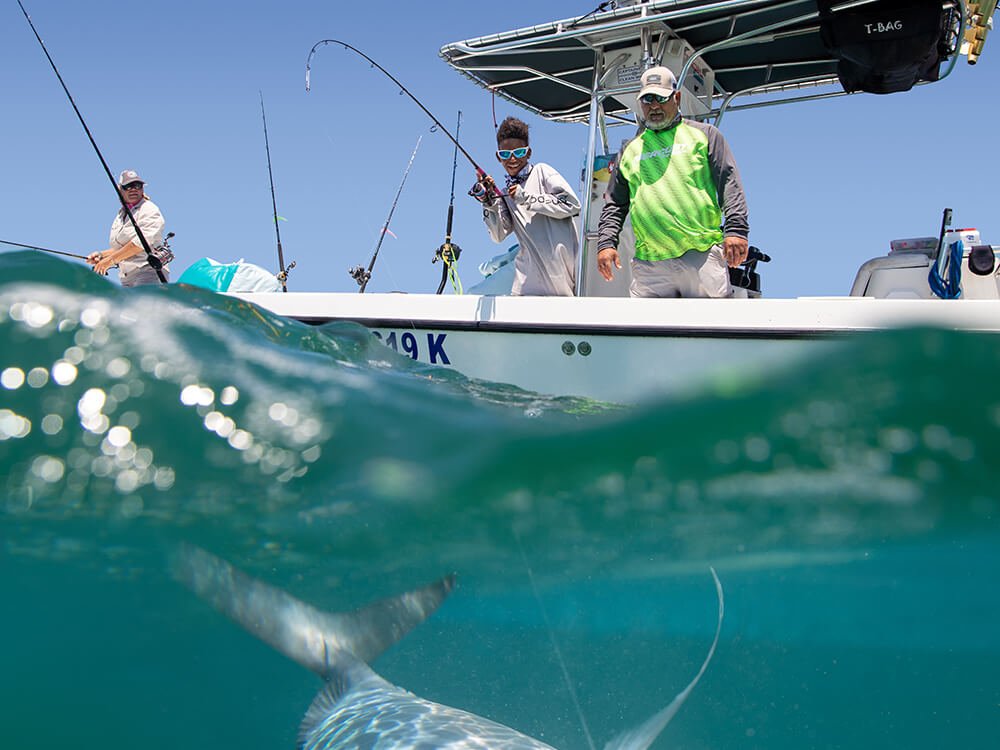
To illustrate the vibrancy of the programs affected, here’s a glimpse into recreational fishing and boating activities that RBFF has championed:
Background on RBFF and the Federal Grant
The Recreational Boating & Fishing Foundation (RBFF) was founded in 1998 as a direct response to declining participation rates in recreational boating and fishing across the United States. Established under the Sportfishing and Boating Safety Act of 1998, RBFF’s mission is to increase public involvement in these activities, thereby fostering greater awareness and support for the conservation and responsible use of aquatic resources. The organization operates as a nonprofit, collaborating closely with state fish and wildlife agencies, industry partners, and the U.S. Fish and Wildlife Service (USFWS), which falls under the DOI.
Central to RBFF’s operations has been a federal grant from the Sport Fish Restoration and Boating Trust Fund. This fund is unique in that it is not sourced from general taxpayer revenues but from excise taxes levied on fishing tackle, motorboat fuel, and related equipment—essentially, a user-pay system where anglers and boaters fund initiatives that benefit their own community. Since its inception, RBFF has received approximately $282 million from this fund, with annual allocations hovering around $13 to $14 million in recent years. For instance, in 2024, the grant amounted to $13.7 million, which supported a range of programs aimed at recruitment, retention, and reactivation of participants.
Key initiatives under RBFF include the “Take Me Fishing” campaign, which provides educational resources, event planning, and marketing to introduce newcomers—especially youth and underserved communities—to fishing and boating. Another program, “Vamos a Pescar,” targets Hispanic audiences with Spanish-language materials, addressing diversity in outdoor recreation. These efforts have been credited with significant achievements: Over the past 25 years, RBFF claims to have contributed to record-high participation levels, generating $230.5 billion in economic impact, 1.1 million jobs, and $2 billion annually for conservation projects like habitat restoration and fish stocking.
The grant’s administration involves rigorous oversight, including annual audits, federal reporting, and guidance from a 25-member board comprising industry stakeholders. RBFF has never failed an audit, underscoring its compliance and effectiveness. Periodic assessments, such as the 2016-2021 NOCP/RBFF Assessment Report, have highlighted the organization’s success in implementing the National Outreach and Communications Program (NOCP), which was mandated by Congress to reverse participation declines. This report detailed how RBFF received $73.5 million during that period and effectively used it to engage over 400 stakeholders in strategic planning.
Despite these successes, the grant has not been without scrutiny. As federal budgets tightened under the Trump administration’s second term, programs like this came under the microscope for potential inefficiencies. The Interior Department RBFF Grant Cancellation, therefore, did not occur in a vacuum but amid a broader push to realign federal priorities.
The Decision to Cancel the Grant
On June 10, 2025, the USFWS issued a formal termination letter to RBFF, effectively ending the grant award F23AC00806. Signed by Grants Management Specialist Grayson Rentz, the letter cited 2 CFR §200.340, which allows termination if an award no longer aligns with program goals or agency priorities. It stated bluntly: “This award no longer effectuates the priorities of the United States Fish and Wildlife Service (USFWS) and is therefore terminated.” The termination was immediate, requiring RBFF to submit final reports within 120 days and reconcile any outstanding funds.
This action followed a funding freeze earlier in the year, during which RBFF struggled to get clarity on release timelines. The decision saved the federal government at least $40.5 million in the short term, based on the remaining multi-year commitment. While the letter itself was concise, it referenced broader DOI terms and conditions, emphasizing fiscal responsibility.
The cancellation was heavily influenced by DOGE, which had flagged RBFF in a Fox News report highlighting perceived excesses. Senate DOGE Caucus Chairwoman Joni Ernst praised the move as a victory against “Washington waste,” noting that the grant had disbursed over $26 million recently as part of $164 million since 2012. Interior Secretary Doug Burgum’s office echoed this, stating the department’s commitment to efficiency and accountability while continuing to support the industry through other means.
RBFF’s response was swift but measured. Senior Vice President James Hemenway, the letter’s recipient, expressed disappointment but indicated plans to reapply with adjustments to address concerns. The lack of prior dialogue was a point of contention, with industry leaders noting that attempts to resolve issues through Congress and DOI staff went unheeded.
Reasons Cited for the Cancellation
The primary rationale for the Interior Department RBFF Grant Cancellation centered on allegations of wasteful spending and misalignment with current priorities. DOGE spotlighted specific expenditures, such as a $1.99 million contract with Disney for youth outreach, $5 million to media agency Colle McVoy, and hundreds of thousands in SEO consulting fees. Executive salaries, ranging from $102,000 to $274,900, were also criticized as “bloated overhead,” especially when compared to the program’s goals.
Proponents of the cut, including Ernst, argued that these funds were diverting from direct conservation to D.C.-based consultants and high-profile ads. DOGE’s broader mandate to reduce federal bureaucracy framed the grant as an example of inefficient use of resources, even if self-funded. There was also speculation that RBFF’s Diversity, Equity, and Inclusion (DEI) elements, like urban fishing programs and Spanish-language initiatives, clashed with an executive order rolling back such programming.
However, RBFF defended these expenses as essential for effective national marketing. The Disney partnership, for instance, was aimed at reaching children under 12, a critical age for lifelong participation. Salaries were benchmarked against similar nonprofits and were lower than many in the sector. Critics of the decision pointed out the irony: The funds come from industry excise taxes, not the general budget, so cutting them doesn’t reduce national debt without legislative changes. Moreover, RBFF’s track record of economic returns—$230 billion in impact—suggested the investments were yielding dividends.
This divide highlights a philosophical clash: Is the grant a smart investment in self-sustaining conservation, or an outdated subsidy ripe for trimming?
Immediate Impacts on RBFF and Programs
The fallout from the Interior Department RBFF Grant Cancellation was swift and severe. On June 6, 2025—just days before the official termination—RBFF furloughed eight of its 16 employees, citing the funding freeze that had persisted since earlier in the year. With remaining funds expected to run dry soon, further layoffs loomed, threatening the loss of institutional knowledge built over 27 years.
Programs like “Take Me Fishing” and associated events with state agencies were paused indefinitely, disrupting learn-to-fish initiatives nationwide. In the months following, fishing license sales plummeted by 8.6% across 16 states, translating to over $590 million in lost angler spending and approximately 5,600 jobs. This ripple effect extended to related industries, including tackle manufacturers, boat dealers, and tourism operators reliant on recreational activity.
Conservation efforts also suffered. Reduced participation means fewer license fees and excise taxes flowing back into habitat restoration, fish stocking, and research—ironically undermining the very resources the grant aimed to protect. State agencies, which partnered with RBFF for outreach, now face gaps in programming, potentially leading to long-term declines in public engagement with waterways.
Industry Reactions and Debate
The Interior Department RBFF Grant Cancellation has elicited sharp reactions from across the spectrum. Industry groups like the American Sportfishing Association (ASA) and Marine Retailers Association of the Americas (MRAA) expressed profound disappointment, warning that the cut harms a $230 billion economy and nearly 2 million jobs. ASA President Glenn Hughes stated, “This decision overlooks the program’s success and could devastate recruitment efforts essential for future conservation funding.”
The boating sector echoed these sentiments. In a statement from Boating Industry, leaders highlighted the risk to public access and the $2 billion annual contribution to conservation, arguing that RBFF’s work has been a model of public-private partnership. Environmental organizations, such as those focused on aquatic habitat, decried the move as shortsighted, noting that lower participation erodes support for broader environmental policies.
On the other side, DOGE supporters and fiscal hawks celebrated the cancellation as a win for efficiency. Ernst remarked, “We’re exposing and ending wasteful spending that benefits consultants over citizens.” Some conservative commentators argued that private industry should fund its own marketing without federal crutches, even if the money originates from user fees.
The debate extends to political arenas. Congressional Democrats, like Ranking Member Chellie Pingree, blasted the cut as part of illegal grant cancellations tied to DOGE, calling it a “blueprint for destruction” of conservation efforts. Bipartisan concerns have emerged, with some Republicans in rural states worried about economic hits to their constituencies.
Online forums and media outlets have amplified the discourse. Angler communities on platforms like BBC Boards discussed the implications, with threads noting the irony of cutting angler-funded programs. Reddit threads on r/doge criticized the decision for ignoring the funding source, while X posts from users like James Hartline highlighted it as DOGE’s “police blotter” action against waste.
This polarization underscores a larger ideological battle: efficiency versus targeted investment in niche sectors.
Long-Term Implications for Conservation and Recreation
Beyond immediate disruptions, the Interior Department RBFF Grant Cancellation could have profound long-term effects on conservation and outdoor recreation. Reduced participation may lead to a vicious cycle: Fewer anglers mean lower excise tax revenues, constraining funds for state-led projects like wetland restoration and invasive species control. This could exacerbate environmental challenges, such as declining fish populations amid climate change.
Economically, the $230 billion industry faces uncertainty. Job losses in manufacturing, retail, and tourism could ripple through rural economies dependent on outdoor activities. Diversity initiatives, crucial for broadening participation beyond traditional demographics, may stall, limiting future growth.
On a positive note, the cancellation might spur innovation, with private funders stepping in or RBFF pivoting to new models. However, recreating partnerships with 50 state agencies could take years, risking irreversible declines.
Future Prospects and Alternatives
RBFF has signaled intent to reapply for the grant with refinements, including adjusted compensation and priorities. Industry advocates are lobbying Congress for reinstatement or alternative funding streams. Some suggest reallocating from other DOI budgets, while others propose private-public hybrids.
DOGE’s ongoing reviews may influence similar programs, but bipartisan pushback could lead to compromises. As of early 2026, no final resolution has emerged, leaving the sector in limbo.
Conclusion
The Interior Department RBFF Grant Cancellation exemplifies the challenges of balancing fiscal prudence with environmental and economic imperatives. While DOGE’s efficiency drive has merit, the cut’s impact on a self-funded, effective program raises valid concerns. As debates continue, the outcome will shape the future of America’s outdoor legacy, urging stakeholders to find common ground.
FAQ
What is the Recreational Boating & Fishing Foundation (RBFF)?
RBFF is a nonprofit organization founded in 1998 to promote recreational boating and fishing, increase participation, and support conservation through programs like “Take Me Fishing.”
Why was the RBFF grant canceled by the Interior Department?
The grant was terminated on June 10, 2025, because it no longer aligned with DOI priorities, influenced by DOGE’s scrutiny of spending on contracts and salaries.
What is the source of the RBFF grant funding?
The funding comes from the Sport Fish Restoration and Boating Trust Fund, derived from excise taxes on fishing and boating equipment, not general taxes.
What are the immediate effects of the cancellation?
RBFF furloughed half its staff, paused programs, and saw an 8.6% drop in fishing license sales, leading to significant economic losses.
How has the industry responded to the cancellation?
Industry groups like ASA and MRAA have expressed disappointment, warning of harm to the economy and conservation, while DOGE supporters praise it as cutting waste.
Will RBFF reapply for the grant?
Yes, RBFF plans to submit a refined proposal addressing concerns raised by DOGE.
What could be the long-term impacts?
Potential declines in conservation funding, job losses, and reduced public engagement with outdoor activities, though it might encourage alternative funding models.