 11
11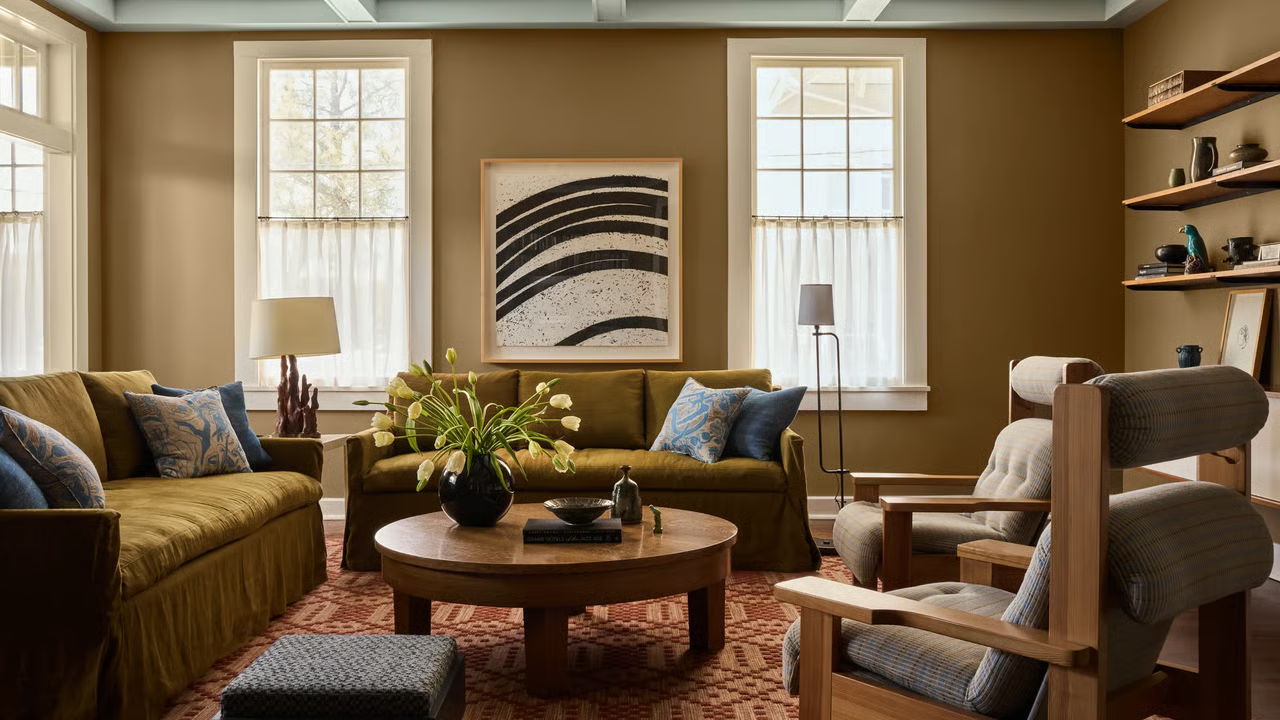
As we step into 2026, the world of interior styling is evolving with a focus on comfort, personality, and sustainability. Decobry, a rising name in innovative decor solutions, is at the forefront of these shifts, blending timeless elements with modern flair. This year, trends emphasize creating spaces that feel lived-in, expressive, and connected to nature. From the resurgence of nostalgic styles to bold color choices, 2026 promises interiors that prioritize emotional well-being over stark minimalism. According to industry experts, we’re moving away from cold, neutral palettes toward warmer, more inviting environments that tell personal stories.
In this comprehensive article, we’ll explore the hottest Decobry trends shaping homes this year. Drawing from insights gathered at major design events like High Point Market and Lightovation, as well as forecasts from top designers, we’ll break down key movements with practical tips for implementation. Whether you’re redesigning a single room or overhauling your entire space, these trends—infused with Decobry’s unique touch—will inspire you to create a home that’s both stylish and soulful. Expect a blend of heritage influences, organic forms, and eco-conscious choices that make interiors feel like extensions of ourselves.
One of the most charming trends dominating 2026 is “Grandma Chic,” a style that celebrates traditional, feminine aesthetics with a contemporary twist. This look draws from vintage inspirations, incorporating floral patterns, shirred fabric shades, and heirloom-like pieces that evoke warmth and nostalgia. Designers note that Grandma Chic isn’t about outdated decor; it’s about infusing spaces with personality through layered textiles and soft, romantic details.
Carla Aston, an interior design expert, highlights how this trend emerged from recent market shows, where traditional looks with floral motifs were prominent. Decobry’s line of patterned wallpapers and upholstery fabrics perfectly captures this essence, allowing homeowners to add subtle elegance without overwhelming the room. For instance, pairing a floral-upholstered armchair with modern lighting creates a balanced, inviting living area.
To incorporate Grandma Chic, start with small accents like lace-trimmed cushions or antique-inspired mirrors. In bedrooms, opt for ruffled bedding in pastel hues to foster a cozy retreat. This trend aligns with the broader shift toward “thoughtful maximalism,” where spaces feel collected over time rather than perfectly curated. As we see more homes embracing this style, it’s clear that 2026 is the year to honor heritage while keeping things fresh and functional.
Expanding on this, Grandma Chic encourages mixing eras—think Victorian lampshades alongside minimalist shelves. Decobry offers customizable options, such as embroidered throw pillows, that make it easy to personalize. In dining rooms, floral china cabinets can become focal points, blending sentimentality with everyday utility. This trend also promotes sustainability by repurposing family heirlooms, reducing the need for new purchases. Overall, Grandma Chic is about creating spaces that feel like a hug, perfect for the post-pandemic emphasis on comfort.
Gone are the days of all-white interiors; 2026 is ushering in darker, moodier colors that add depth and drama to spaces. This shift toward rich hues like deep blues, forest greens, and charcoal grays creates atmospheres that are cozy and introspective. Experts predict that these palettes will dominate walls, furniture, and accents, moving away from the sterile minimalism of previous years.
Reports from design forecasts indicate a continued rise in moody tones, building on trends from 2025. Decobry’s moody paint collections, featuring velvety finishes, are ideal for achieving this look without making rooms feel claustrophobic. Pairing dark walls with metallic accents or natural wood tones prevents heaviness, instead fostering a sophisticated ambiance.
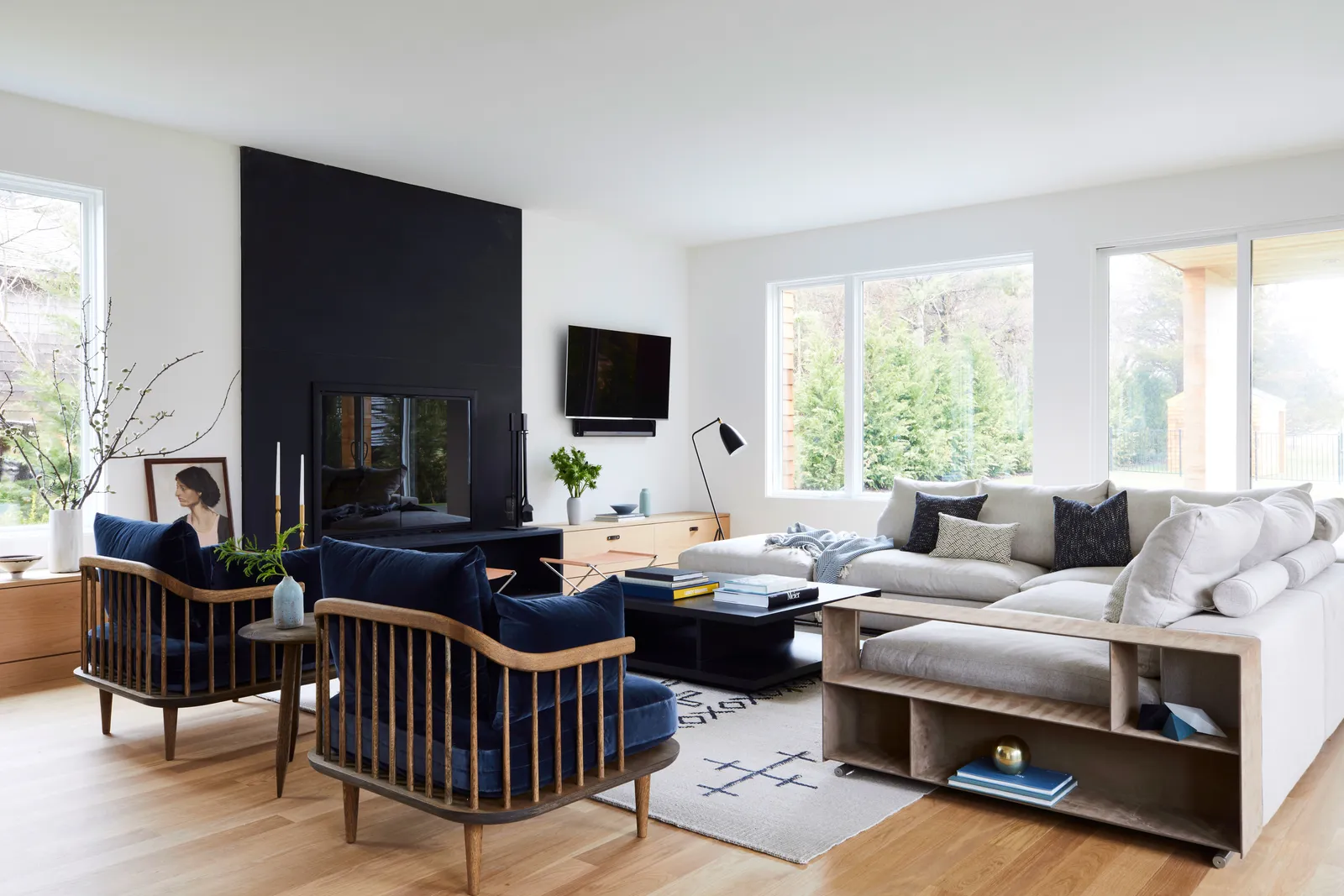
In living rooms, a deep navy sofa against a charcoal wall can serve as a statement piece, enhanced by soft lighting to highlight textures. Kitchens benefit from moody cabinets in eggplant or midnight blue, adding elegance to functional areas. This trend also extends to bathrooms, where dark tiles create spa-like serenity. To balance the darkness, incorporate lighter elements like cream rugs or gold hardware.
Furthermore, moody palettes support wellness by promoting relaxation—darker rooms can feel like cocoons, ideal for unwinding. Decobry recommends layering with their textured wallpapers to add interest. As sustainability grows, these colors often come in low-VOC formulas, aligning with eco-friendly goals. This trend reflects a cultural desire for introspection, making homes refuges from the outside world.
Curved architecture and rounded furniture are set to be ubiquitous in 2026, softening the hard lines of modern design for a more organic feel. This trend, often called “fat furniture” or organically flowing silhouettes, emphasizes comfort and fluidity, drawing inspiration from nature’s gentle forms.
Interior forecasts highlight curved sofas, arched doorways, and rounded tables as key elements.

Decobry’s curved console tables and ergonomic chairs exemplify this, blending aesthetics with functionality. These shapes promote better flow in open-plan spaces, making rooms feel more inviting and less rigid.
In home offices, a curved desk can reduce stress by mimicking natural contours, while in bedrooms, rounded headboards add softness. Architects are incorporating arched windows and curved walls for dramatic effect, enhancing spatial dynamics. This trend counters the angular minimalism of the past, favoring ergonomic designs that prioritize human comfort.
Moreover, curved elements work well in small spaces, creating illusions of expansiveness. Decobry suggests combining them with neutral tones for versatility. As biophilic design rises, these shapes echo natural landscapes, fostering harmony. Overall, 2026’s curves are about embracing imperfection and movement in static environments.
Biophilic design continues to thrive in 2026, connecting interiors with the natural world through plants, natural materials, and earthy elements. This trend goes beyond houseplants, incorporating living walls, water features, and organic textures to improve well-being.
Experts emphasize sustainability and nature integration as core to 2026 styles.
Decobry’s biophilic accessories, like moss-inspired wall art, make it accessible. Vertical gardens in urban apartments bring greenery without sacrificing space, while wood and stone accents ground the design.
In wellness spaces, biophilic elements like indoor fountains promote tranquility. Offices benefit from natural light and plant dividers, boosting productivity. This trend aligns with eco-consciousness, using recycled materials for authenticity.
Expanding, biophilic design reduces stress and enhances air quality, supported by research. Decobry offers modular systems for easy updates. As climate awareness grows, this trend becomes essential, blurring indoor-outdoor boundaries for holistic living.
Kitchens in 2026 are bursting with color, moving away from all-white schemes to vibrant, personality-driven spaces. Warm earth tones like terracotta and olive green dominate, with pops of red or ochre for energy.
Design pros predict color in cabinets, backsplashes, and appliances as a major shift.
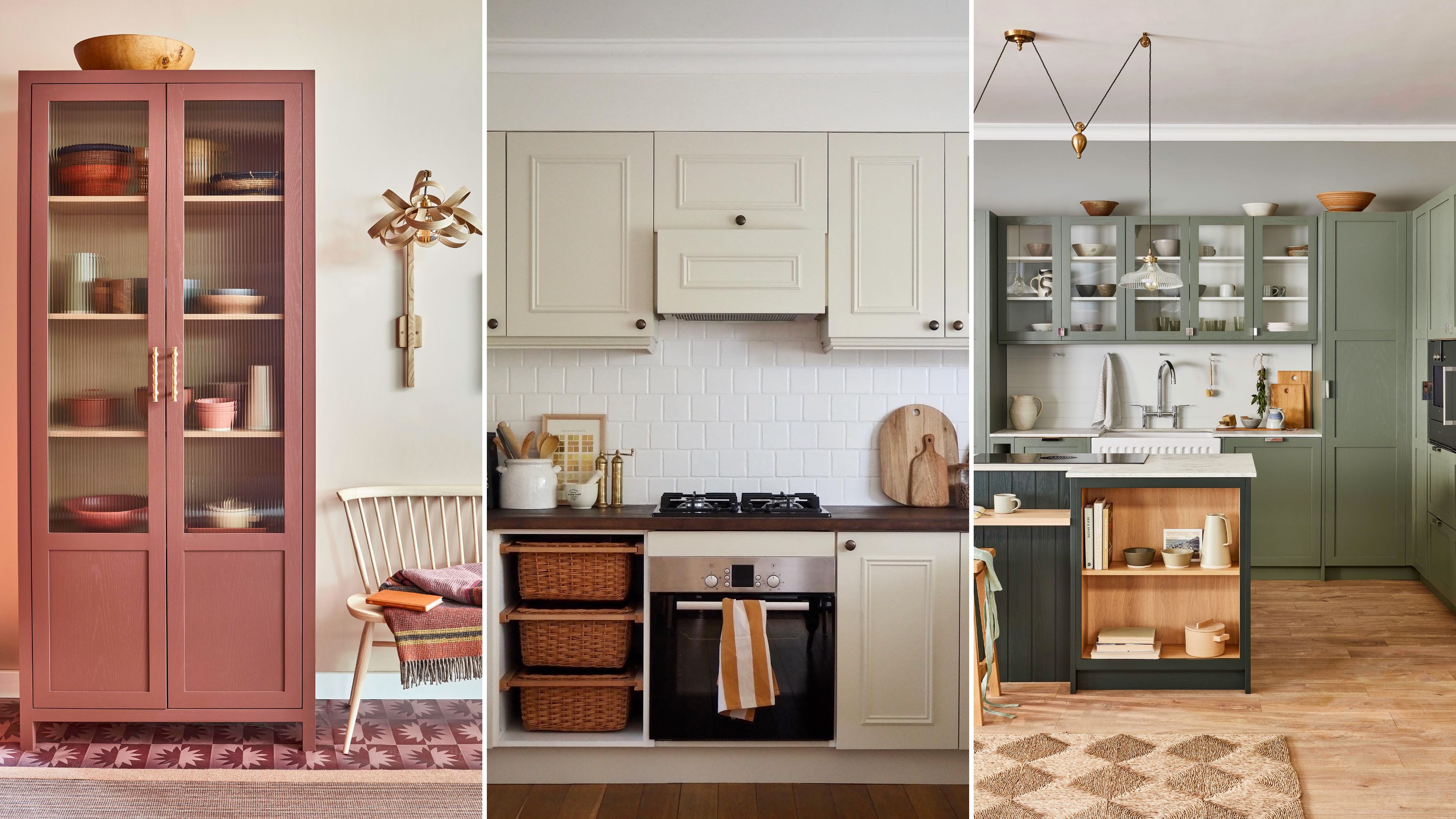
Decobry’s colorful kitchenware collections complement this, offering durable, stylish options. A pistachio island against neutral walls creates focal points without overwhelming.
This trend encourages experimentation—painted floors in geometric patterns add whimsy. Sustainable paints ensure health benefits, while mixed metals like brass enhance vibrancy.
In essence, colorful kitchens make cooking joyful, reflecting personal tastes. As homes become multifunctional, these spaces foster creativity and connection.
Sustainability is non-negotiable in 2026, with trends favoring recycled, upcycled, and natural materials. From bamboo flooring to reclaimed wood furniture, eco-friendly choices dominate.
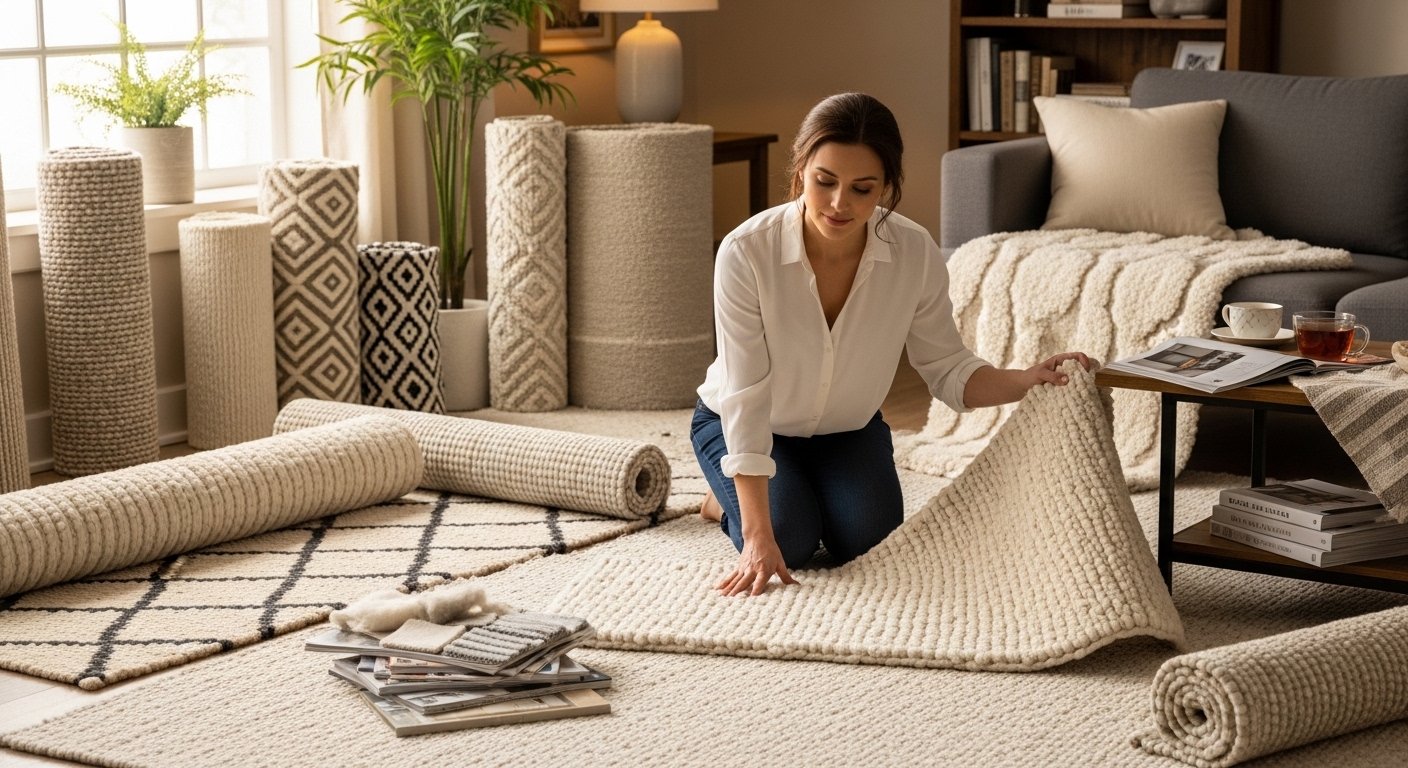
Forecasts stress low-impact designs for longevity. Decobry’s sustainable line, using organic fabrics, supports this ethic. Hemp rugs and cork accents provide texture while being kind to the planet.
In bathrooms, recycled glass tiles shine, and energy-efficient fixtures save resources. This trend reduces waste and appeals to conscious consumers.
Ultimately, sustainable materials create durable, beautiful homes that align with global priorities.
Maximalism reigns in 2026, with layered patterns, textures, and artifacts creating rich narratives. This counters minimalism, favoring eclectic mixes.
Designers advocate for personal expression through bold wallpapers and mixed prints. Decobry’s layered decor kits simplify this, blending vintages with moderns.
Galleries of art and shelves of curios tell stories, making spaces unique. Tufted accents and fringes add tactility.
This trend celebrates individuality, turning homes into personal museums.
Vintage elements blend with warm modernism in 2026, featuring metals, oversized lighting, and Tuscan revivals.
Pros highlight vintage for authenticity. Decobry’s vintage-inspired lamps elevate this.
Warm woods and metals create cozy yet sleek spaces.
This fusion balances old and new for timeless appeal.
2026’s Decobry trends redefine interior styling, emphasizing comfort, sustainability, and self-expression. By incorporating these elements, your home can become a sanctuary that evolves with you. Whether through Grandma Chic or biophilic touches, the focus is on meaningful design.
Grandma Chic involves traditional, feminine elements like florals. Start with Decobry fabrics for cushions.
Yes, with proper lighting, they add depth without shrinking the room.
It reduces stress and improves air quality through natural elements.
Minimalism and boucle fabrics are fading, replaced by layers and warmth.
Absolutely—curved furniture pairs well with layered patterns for dynamic spaces.