Asbestlint, a specialized form of asbestos tape commonly used in construction, insulation, and industrial applications, has been a staple in various sectors due to its exceptional heat resistance and durability. This material, often woven from fibrous asbestos strands, was historically favored for sealing pipes, wrapping electrical wires, and providing thermal protection in high-temperature environments. However, asbestlint poses significant health hazards when mishandled, primarily because it can release microscopic asbestos fibers into the air upon disturbance. These fibers, if inhaled or ingested, can lead to severe respiratory diseases such as asbestosis, lung cancer, and mesothelioma, conditions that may not manifest until decades after exposure.
Understanding the safety protocols surrounding asbestlint is crucial in today’s world, where legacy materials from older buildings and infrastructure continue to present risks. Despite bans or strict regulations on new asbestos use in many countries, including the United States, remnants of asbestlint linger in structures built before the 1980s. This article delves into the proper handling, removal, and disposal of asbestlint, emphasizing preventive measures to protect workers, homeowners, and the environment. By adhering to established guidelines, individuals and professionals can mitigate the dangers associated with this material, ensuring safer living and working spaces.
The importance of asbestlint safety cannot be overstated. According to health experts, even brief exposure to disturbed asbestlint can have long-term consequences, making education and compliance with safety standards essential. In the following sections, we will explore best practices drawn from regulatory bodies like the Occupational Safety and Health Administration (OSHA) and the Environmental Protection Agency (EPA), providing a comprehensive guide to managing this hazardous substance.
Identifying Asbestlint in Your Environment
Before delving into handling procedures, it’s vital to know how to identify asbestlint. Typically appearing as a white or grayish tape or fabric-like material, asbestlint was commonly applied in HVAC systems, boiler insulation, and automotive repairs. It may feel fibrous or lint-like to the touch, hence its name, and often degrades into a dusty residue over time, which is particularly dangerous as it becomes friable—easily crumbled and airborne.
Homeowners and contractors should conduct visual inspections in areas like attics, basements, and around pipes. If suspected, do not disturb the material; instead, hire a certified asbestos inspector to take samples for laboratory analysis. This step is non-negotiable, as misidentification can lead to unnecessary exposure or overlooked risks. Regulations mandate that any material containing more than 1% asbestos be treated as hazardous, and asbestlint often exceeds this threshold.
Proper Handling of Asbestlint
Safe handling of asbestlint begins with prevention and preparation. The golden rule is to avoid disturbing the material whenever possible. If asbestlint is intact and not deteriorating, encapsulation—sealing it with a protective coating—may be a viable alternative to removal, reducing the risk of fiber release without the need for full abatement.
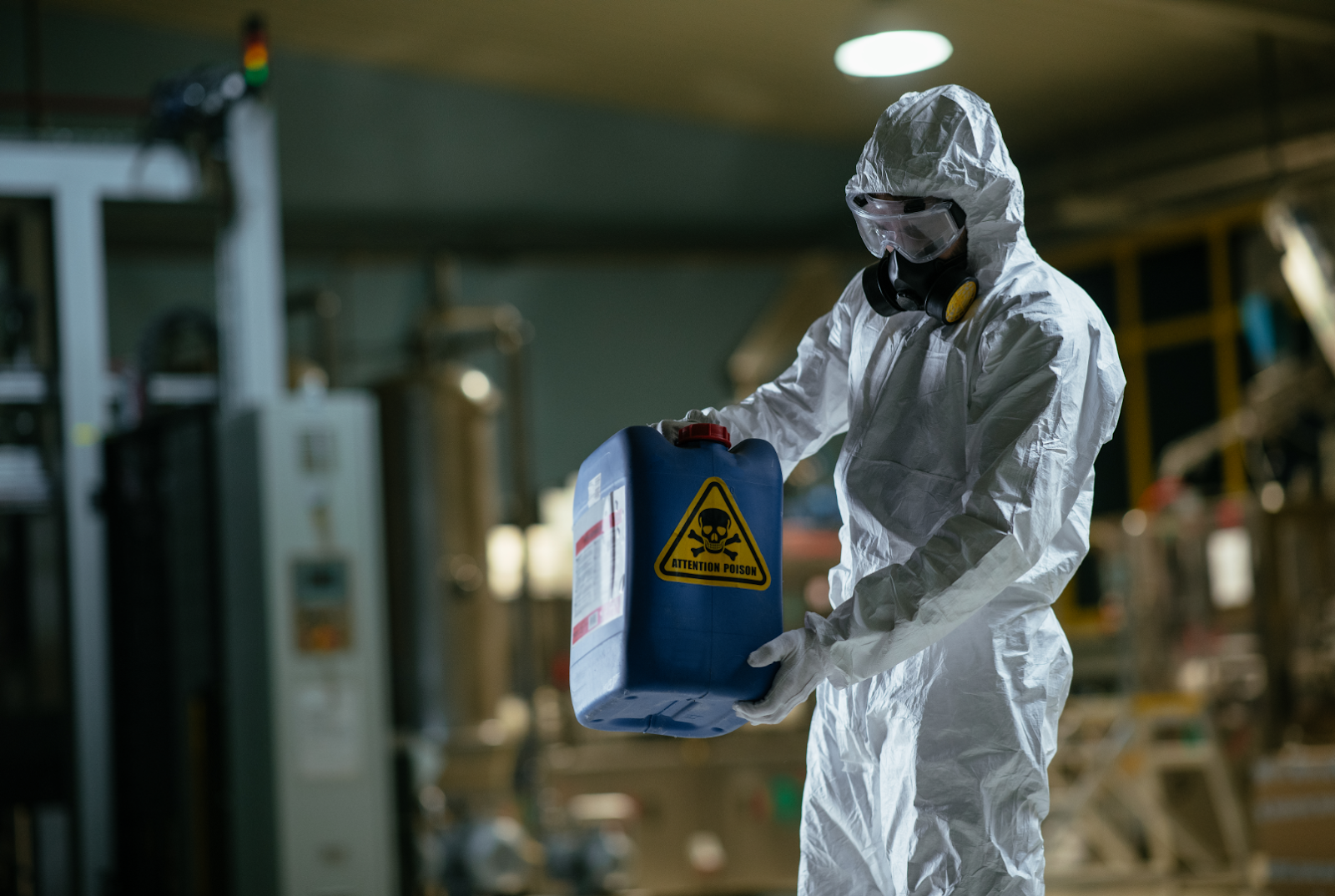
When handling is unavoidable, personal protective equipment (PPE) is paramount. Workers must wear disposable coveralls, gloves, booties, and respirators equipped with high-efficiency particulate air (HEPA) filters to prevent inhalation. Nitrile or latex gloves should be used, tucked under coverall cuffs and taped for a secure fit. Eye protection, such as goggles, is also recommended to shield against dust.
The work area should be isolated using plastic sheeting to create a containment zone, with negative air pressure machines fitted with HEPA filters to capture airborne particles. Wet methods are essential: always dampen asbestlint with water mixed with a surfactant (like dish soap) to minimize dust generation. Never use power tools, sanders, or dry sweeping, as these actions can aerosolize fibers.
Training is another critical component. OSHA requires that workers involved in asbestlint handling complete specific training programs, including awareness courses for general employees and comprehensive certification for abatement professionals. This education covers recognition of hazards, proper use of PPE, and emergency procedures in case of accidental exposure.
In industrial settings, where asbestlint might be encountered in maintenance tasks, regular air monitoring is advised to ensure fiber concentrations remain below permissible exposure limits (PEL) of 0.1 fibers per cubic centimeter over an 8-hour period. Employers must provide medical surveillance for exposed workers, including baseline health exams and periodic check-ups.
By following these handling protocols, the risks associated with asbestlint can be significantly reduced, protecting not only the handlers but also bystanders and future occupants of the space.
Safe Removal Techniques for Asbestlint
Removal of asbestlint should ideally be performed by licensed professionals, as DIY attempts can lead to widespread contamination and legal liabilities. In the U.S., the EPA and local authorities regulate asbestos abatement, requiring notification before starting work on projects exceeding certain thresholds.
The removal process starts with preparation: seal off the area, post warning signs, and disable HVAC systems to prevent fiber spread. Workers enter in full PPE, and the material is wetted thoroughly to suppress dust. Gentle removal tools, like scrapers or wire brushes, are used to peel away the asbestlint without breaking it into small pieces.
For glovebag methods—often employed for pipe insulation— a sealed bag encloses the section, allowing contained removal. After extraction, the bag is collapsed using a HEPA vacuum and sealed for disposal.
Post-removal cleanup is meticulous: all surfaces are wet-wiped or HEPA-vacuumed, and air clearance testing confirms fiber levels are safe before reoccupancy. Waste must be labeled clearly as “Asbestos-Containing Material” and handled with care to avoid punctures.
Common pitfalls include underestimating the scope, skipping containment, or using inadequate PPE, all of which can amplify exposure risks. Professional abatement firms employ rigorous protocols to avoid these errors, ensuring compliance and safety.
Disposal Guidelines for Asbestlint
Proper disposal of asbestlint is the final, crucial step in the safety chain. All waste must be transported to permitted landfills specifically authorized for asbestos, as standard facilities are not equipped to handle it. Burning or recycling is strictly prohibited, as it can release fibers into the atmosphere.
Materials should be double-bagged in 6-mil polyethylene bags or wrapped in sheeting, wetted, and sealed with duct tape. Labels must include hazard warnings, generator information, and dates. Transportation requires covered vehicles to prevent leaks, and manifests track the waste from site to disposal.
Local regulations vary; for instance, some states mandate pre-approval for disposal. Homeowners discarding small amounts, like damaged gloves or pads, should consult environmental officials for guidance. Illegal dumping can result in hefty fines and environmental harm.
Safer alternatives to asbestlint, such as fiberglass or ceramic tapes, are now widely available, reducing the need for future disposals. Transitioning to these materials promotes sustainability and health.
Regulations and Legal Considerations
Compliance with federal, state, and local laws is non-negotiable. OSHA’s standard 1926.1101 outlines requirements for construction work involving asbestlint, including exposure limits and training. The EPA’s National Emission Standards for Hazardous Air Pollutants (NESHAP) govern renovation and demolition activities.
Violations can lead to penalties, lawsuits, and health claims. Building owners must maintain records of inspections and abatements for liability protection.
Conclusion: Prioritizing Safety in Asbestlint Management
In summary, asbestlint safety hinges on awareness, preparation, and professional intervention. By mastering proper handling, removal, and disposal techniques, we can safeguard public health against this insidious threat. Remember, when in doubt, consult experts—your well-being depends on it.
FAQ
What is asbestlint?
Asbestlint refers to a type of asbestos tape or fibrous material used for insulation and sealing, known for its heat-resistant properties but hazardous due to fiber release.
Is it safe to handle asbestlint myself?
No, it’s recommended to hire certified professionals for handling, as improper methods can cause dangerous exposure.
How do I dispose of asbestlint waste?
Wet the material, double-bag it in thick plastic, label it properly, and take it to a permitted asbestos disposal facility. Never burn or throw it in regular trash.
What PPE is needed for asbestlint removal?
Essential items include disposable coveralls, HEPA-filter respirators, gloves, booties, and goggles to prevent fiber inhalation and contact.
Are there alternatives to asbestlint?
Yes, modern substitutes like fiberglass, silicone, or ceramic tapes offer similar benefits without the health risks.
What health risks does asbestlint pose?
Exposure can lead to asbestosis, lung cancer, and mesothelioma from inhaling airborne fibers.
Do I need to notify authorities before removing asbestlint?
Yes, for projects above certain sizes, notify the EPA or local agencies as per NESHAP regulations.
How can I identify asbestlint in my home?
Look for fibrous tape around pipes or insulation; if suspected, get professional testing—do not disturb it.