 11
11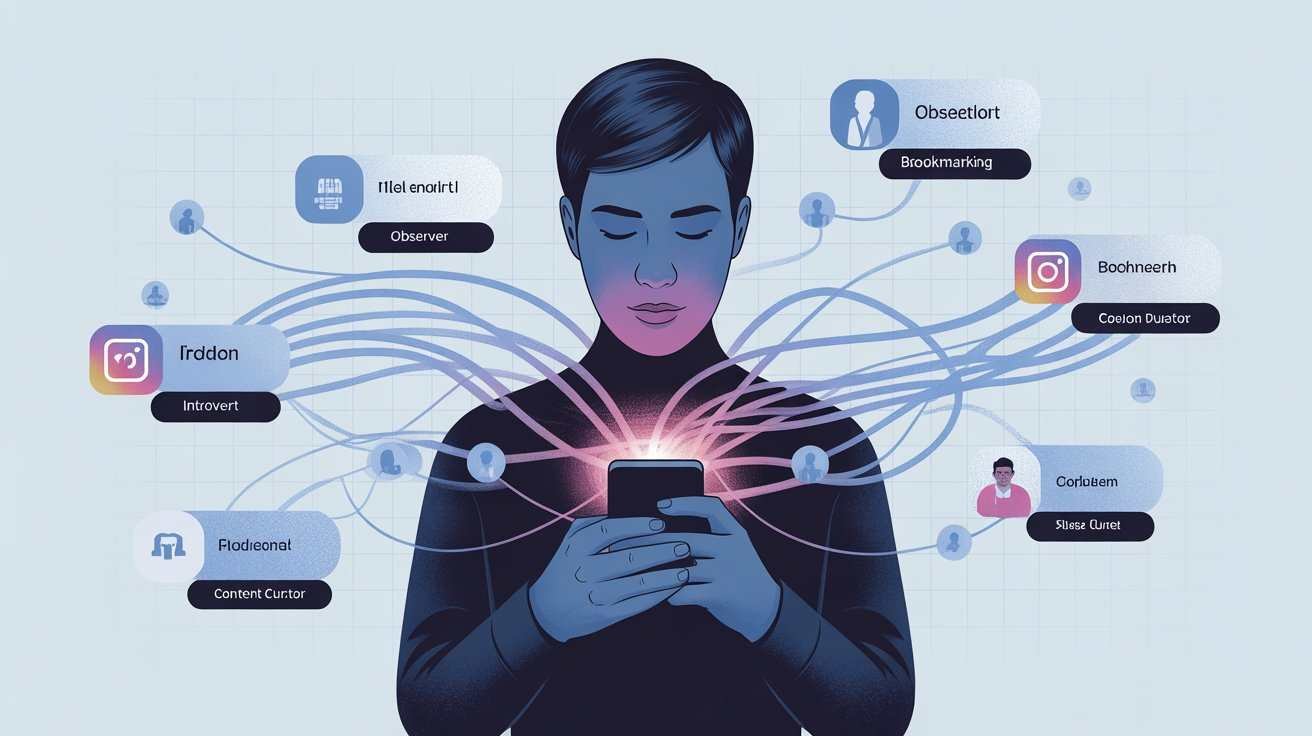
In the ever-evolving landscape of digital interaction, social media has become a ubiquitous part of daily life. Platforms like Instagram, Twitter (now X), Facebook, and TikTok serve as virtual town squares where billions share thoughts, images, videos, and news. However, not everyone participates actively. Enter the silent scroller—a user who consumes content voraciously but rarely engages. This article delves into social media silent scroller traits, exploring the habits, behaviors, and mindset that define this intriguing archetype. By understanding these characteristics, we can gain insights into how passive consumption shapes our online experiences and mental well-being.
Silent scrolling isn’t a new phenomenon, but its prevalence has grown with the rise of algorithm-driven feeds that deliver endless personalized content. Studies suggest that up to 90% of social media users are lurkers, meaning they observe without contributing. This passive approach contrasts sharply with influencers and active posters who dominate the spotlight. Here, we’ll unpack social media silent scroller traits in detail, highlighting why people adopt this style and its implications. Whether you’re a silent scroller yourself or curious about this behavior, this exploration will provide a comprehensive view.
Before diving deeper, it’s essential to clarify what a silent scroller is. A silent scroller is someone who spends significant time browsing social media but interacts minimally. They might log in daily, scroll through timelines for hours, and absorb information, but they avoid liking posts, leaving comments, sharing content, or posting their own updates. This behavior stems from various motivations, including privacy concerns, time constraints, or simply a preference for observation over participation.
Social media silent scroller traits often include a high level of digital literacy paired with low visibility. These individuals are adept at navigating platforms, using features like search functions or saved posts, but they do so invisibly. Unlike active users who build online personas, silent scrollers treat social media as a one-way street: input without output. This definition sets the stage for examining their habits, which reveal patterns in how they consume digital content.
Habits form the backbone of any behavior, and for silent scrollers, these routines are often ritualistic and ingrained. One common habit is the “bedtime scroll,” where users wind down by browsing feeds late at night. This can last from a few minutes to hours, leading to disrupted sleep patterns. Research from sleep experts indicates that blue light from screens interferes with melatonin production, yet silent scrollers persist, drawn by the endless stream of content.
Another habit is selective following. Silent scrollers curate their feeds meticulously, following accounts that provide value without demanding engagement. They might follow news outlets, educational pages, or hobby-related profiles, ensuring their scroll is informative rather than social. This curation reflects social media silent scroller traits like intentionality and efficiency— they aim to maximize input while minimizing effort.
Multitasking is also prevalent. Many silent scrollers browse during commutes, breaks at work, or while watching TV. This fragmented attention allows them to stay updated without dedicating focused time. However, it can lead to information overload, where the sheer volume of content blurs into a haze. Habits like these underscore a preference for passive absorption, turning social media into a background activity rather than a foreground engagement.
Furthermore, silent scrollers often employ tools like mute or hide features to refine their experience. They avoid notifications to prevent interruptions, checking platforms on their terms. This control-oriented habit highlights a desire for autonomy in digital spaces. Over time, these routines can become addictive, with users feeling compelled to scroll even when unfulfilled.
In terms of frequency, silent scrollers might check apps multiple times a day—perhaps 10-20 sessions averaging 5-10 minutes each. This habitual checking satisfies curiosity without the social obligations of interaction. Understanding these habits is key to grasping how social media silent scroller traits manifest in everyday life, blending seamlessly with modern routines.
Behaviors go beyond habits, encompassing actions and reactions in response to social media stimuli. One prominent behavior is content absorption without feedback. Silent scrollers read articles, watch videos, and view stories, but they refrain from reacting. This could be due to fear of judgment or a belief that their input isn’t valuable. For instance, they might appreciate a friend’s vacation photos but never comment, preserving emotional distance.
Another behavior is information hoarding. Silent scrollers save posts, bookmark links, or screenshot memes for later reference. This archival tendency turns their devices into personal libraries, reflecting a collector’s mindset. They derive satisfaction from knowledge accumulation rather than sharing it.
Privacy-conscious behaviors are also common. Silent scrollers often use incognito modes, VPNs, or secondary accounts to browse anonymously. They avoid posting personal details, wary of data mining and targeted ads. This vigilance stems from awareness of platform algorithms that track every interaction—or lack thereof.
In group dynamics, silent scrollers behave as observers in online communities. In forums or group chats, they lurk, reading discussions without contributing. This can be strategic, allowing them to learn from others’ mistakes or gather insights before acting offline. However, it might lead to feelings of isolation, as they miss out on building connections.
Emotional responses shape behaviors too. Silent scrollers may experience FOMO (fear of missing out) yet choose not to engage, creating internal conflict. They might scroll compulsively during stressful times as a coping mechanism, using content as escapism. These behaviors illustrate how social media silent scroller traits influence not just online actions but offline emotions and decisions.
Moreover, silent scrollers exhibit adaptability. They switch platforms based on content quality—migrating from Facebook to Instagram for visuals or TikTok for short-form entertainment. This fluid behavior ensures their scrolling remains engaging without commitment.
At the core of silent scrolling lies a distinct mindset shaped by psychology, culture, and personal experiences. Introversion often plays a role; many silent scrollers identify as introverts who prefer observing over performing. Social media, with its performative nature, can feel overwhelming, so they opt for a low-stakes approach.
A mindset of minimalism prevails—why add noise when silence suffices? Silent scrollers value quality over quantity, believing that not every thought needs sharing. This philosophy aligns with mindfulness practices, where presence in the moment (or scroll) is prioritized over external validation.
Cynicism towards social media can influence mindset too. Aware of echo chambers, misinformation, and performative activism, silent scrollers consume critically. They question narratives, cross-reference facts mentally, but rarely voice opinions publicly. This skeptical lens protects against manipulation but can foster distrust.
Self-preservation is another key aspect. By not engaging, silent scrollers avoid conflicts, trolls, or unwanted attention. This protective mindset stems from past negative experiences, like cyberbullying or privacy breaches. It allows them to enjoy platforms without vulnerability.
On the positive side, curiosity drives the mindset. Silent scrollers are lifelong learners, using social media as an educational tool. They explore diverse topics, from global news to niche hobbies, broadening horizons passively.
However, this mindset isn’t without drawbacks. It can lead to passive-aggressive tendencies, where unexpressed opinions build resentment. Over time, it might erode social skills, as digital lurking replaces real interaction.
Exploring the mindset reveals how social media silent scroller traits are not just superficial but deeply rooted in personal values and psychological needs.
Being a silent scroller has its advantages and disadvantages, influencing overall well-being.
Pros include reduced stress from avoiding online drama. Without engagements, silent scrollers escape arguments and comparisons, fostering mental peace. They also save time, as scrolling is quicker than crafting responses. This efficiency allows focus on offline pursuits.
Information gain is a major pro. Silent scrollers stay informed on trends, news, and ideas without bias from echo chambers, as they observe broadly.
Cons involve social isolation. Lack of interaction can weaken relationships, making users feel disconnected. There’s also the risk of addiction, where endless scrolling leads to procrastination and decreased productivity.
Health impacts are notable—eye strain, poor posture, and sleep issues from habitual use. Psychologically, constant comparison without an outlet can lower self-esteem.
Balancing pros and cons requires self-awareness, perhaps by setting scroll limits or occasional engagements.
Wondering if you exhibit social media silent scroller traits? Signs include checking apps frequently but rarely posting. If your like/comment history is sparse despite hours spent online, that’s a clue.
Track your usage: apps like Screen Time reveal patterns. If consumption far exceeds creation, you’re likely a silent scroller.
Reflect on motivations—if privacy or introversion guides your behavior, it fits. Recognizing this can help adjust habits for better balance.
In summary, social media silent scroller traits encompass a range of habits, behaviors, and mindsets that define passive social media use. From curated feeds and anonymous browsing to a mindset of observation and self-preservation, these traits highlight a unique way of navigating digital worlds. While offering benefits like knowledge gain and stress reduction, they also pose risks of isolation and addiction. Understanding these elements empowers users to engage more mindfully, perhaps blending silence with selective interaction for a healthier online life.
A silent scroller is a user who primarily browses and consumes content on platforms like Instagram or X without actively engaging through likes, comments, or shares.
Reasons vary, including introversion, privacy concerns, time limitations, or a preference for learning over participating. It’s often a way to avoid online conflicts or judgment.
Yes, benefits include staying informed without stress, saving time, and maintaining mental peace by avoiding performative aspects of social media.
Downsides can include social isolation, information overload, addiction, and potential negative impacts on mental health like increased anxiety from passive comparison.
Start small: like a post, leave a comment on a friend’s update, or share something meaningful. Set goals for interactions and gradually build confidence.
Yes, lurking is another term for it, emphasizing the observational nature without contribution.
Minimally, as algorithms prioritize engagement. Silent scrollers influence dwell time (how long they view content), which can subtly affect recommendations.
It can reduce exposure to negativity, but excessive scrolling might harm sleep and productivity, so moderation is key.
Very common—estimates suggest 80-90% of users on many platforms are passive consumers rather than active contributors.
Monitor for excessive use, but it’s not inherently bad. Encourage balanced online and offline activities to prevent isolation.