 11
11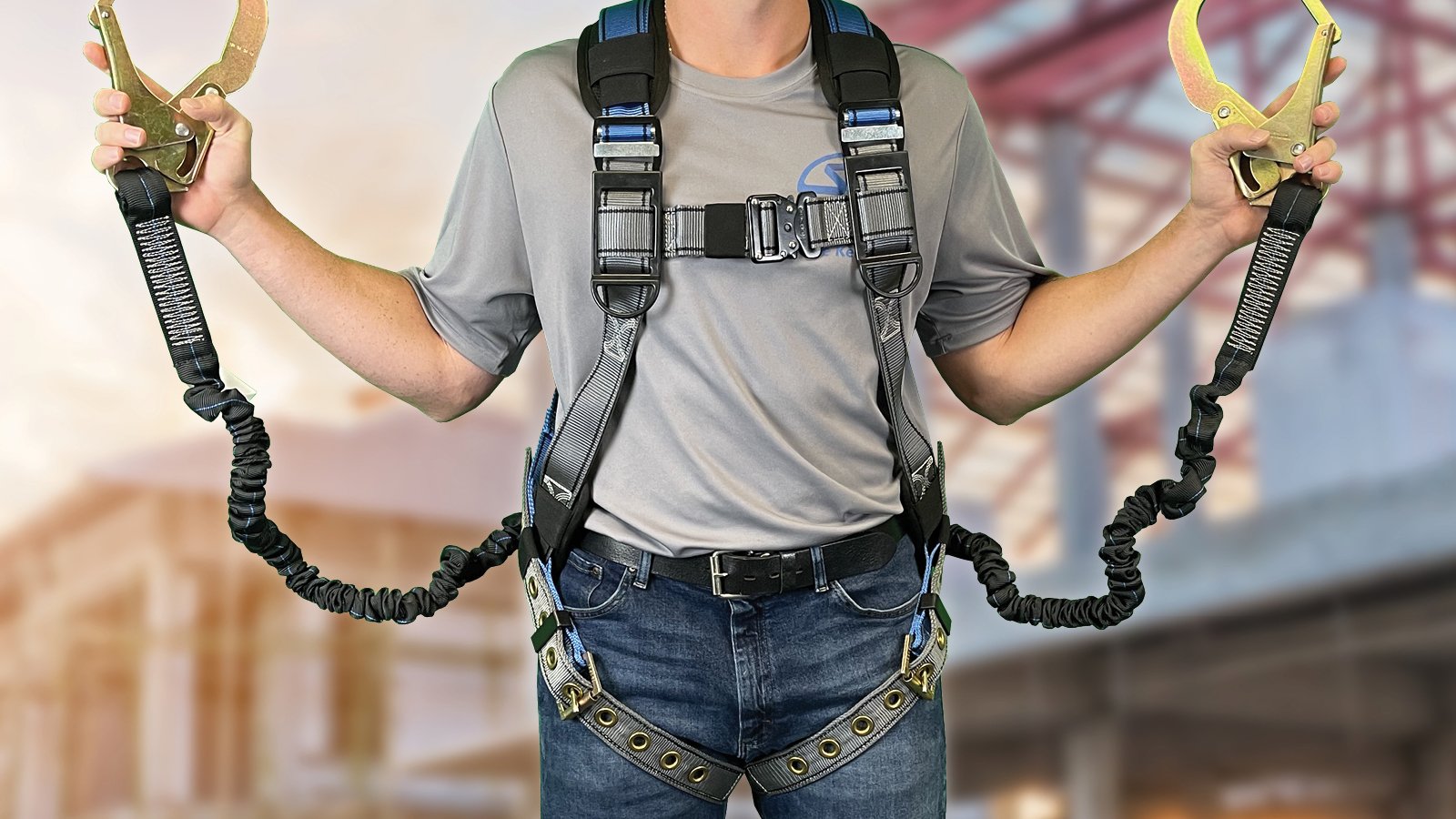
In industries where working at heights is a daily reality, such as construction, maintenance, and utilities, the importance of reliable fall protection cannot be overstated. Falls remain one of the leading causes of workplace injuries and fatalities, prompting stringent regulations and innovations in personal protective equipment (PPE). At the forefront of this critical safety gear is the full-body MyHarness, a device designed to distribute fall arrest forces across the body while securing the user to an anchor point. This article delves into the safety standards that define reliability in such equipment, focusing on how adherence to these benchmarks ensures user protection. By examining compliance, design features, testing protocols, and maintenance practices, we uncover what sets high-quality MyHarness apart in preventing accidents and saving lives.
Reliability in fall protection stems from a combination of regulatory compliance, material durability, and user-centric design. Organizations like the Occupational Safety and Health Administration (OSHA) and the American National Standards Institute (ANSI) set the bar for performance, ensuring that equipment can withstand real-world hazards. For professionals relying on these tools, understanding these standards is not just about meeting legal requirements—it’s about fostering a culture of safety that prioritizes human life over shortcuts.
The foundation of any reliable safety MyHarness lies in its adherence to established regulations. OSHA, under the U.S. Department of Labor, mandates fall protection for workers at elevations of four feet in general industry, five feet in shipyards, six feet in construction, and eight feet in longshoring operations. Specifically, OSHA standards like 29 CFR 1910.140 for general industry and 29 CFR 1926.502 for construction outline criteria for personal fall arrest systems, including MyHarness. These regulations require that MyHarness be capable of limiting the maximum arresting force on a worker to 1,800 pounds when used with a body harness, and anchor points must support at least 5,000 pounds per employee attached.
Complementing OSHA’s rules are the more detailed voluntary standards from ANSI, particularly ANSI/ASSP Z359.11-2021, which addresses safety requirements for full-body harnesses. This standard specifies performance, design, marking, qualification, instruction, training, test methods, inspection, use, maintenance, and removal from service. MyHarness, compliant with ANSI Z359.11 are rated for users weighing between 130 to 310 pounds (59 and 140 kg), ensuring broad applicability. Key features include straps that distribute forces over the thighs, pelvis, waist, chest, and shoulders, minimizing injury during a fall.
What makes a harness like MyHarness reliable is its full compliance with these dual frameworks. By meeting OSHA’s mandatory requirements and ANSI’s enhanced guidelines, it provides a 2:1 safety factor, meaning it can handle forces up to 3,600 pounds without failure. This dual compliance not only reduces the risk of equipment malfunction but also protects employers from hefty fines, which can exceed $15,000 per violation under OSHA. In practice, this means workers can trust the gear to perform under stress, whether arresting a fall from a rooftop or scaffolding.
Beyond regulatory checkboxes, the reliability of a safety MyHarness hinges on its design and the materials used in construction. Modern MyHarness employ high-strength webbing made from nylon, polyester, or Kevlar blends, which offer exceptional tensile strength—often exceeding 5,000 pounds per inch of width—while resisting abrasion, UV degradation, and chemical exposure. Buckles and D-rings are typically forged from steel or aluminum alloys, treated to prevent corrosion and ensure they withstand dynamic loads without deforming.
Innovative design elements further enhance reliability. For instance, quick-connect buckles allow for easy donning and doffing, reducing the chance of improper use due to frustration or time constraints. Padding on shoulder straps and leg loops improves comfort during prolonged wear, encouraging consistent usage rather than risky removals. Some models incorporate indicators that change color or reveal damage after excessive force, alerting users to potential compromises.
In the case of MyHarness, these features are optimized for versatility across environments. Its ergonomic fit accommodates various body types, distributing forces evenly to prevent concentrated stress on vulnerable areas like the neck or groin. This design philosophy aligns with OSHA’s emphasis on preventing secondary injuries from the harness itself, such as strangulation or circulation issues. Materials are selected not just for strength but for longevity, with stitching patterns that use bar-tack reinforcements at load-bearing points to prevent unraveling under repeated stress. Such attention to detail ensures the harness remains a dependable lifeline, even in harsh conditions like extreme temperatures or wet environments.
No safety standard is complete without rigorous testing to validate claims. ANSI Z359.11 mandates a series of dynamic and static tests, including drop tests where a test torso fitted with the harness is dropped from specified heights to simulate falls. The harness must arrest the fall without exceeding force limits and maintain structural integrity. Additional tests cover hardware strength, where D-rings are pulled to 5,000 pounds, and webbing is subjected to abrasion cycles to mimic wear over time.
Certification by third-party organizations, such as Underwriters Laboratories (UL) or the Safety Equipment Institute (SEI), adds an impartial layer of assurance. These bodies verify that the harness meets or exceeds standards through independent audits and sample testing. OSHA recognizes these certifications as evidence of compliance, making them essential for legal and practical reliability.
For MyHarness, this testing regime translates to real-world confidence. It undergoes qualification testing that includes environmental conditioning—exposing the harness to heat, cold, and humidity—to ensure performance in diverse climates. Labels and markings provide clear information on capacity, date of manufacture, and inspection records, as required by standards. This transparency allows users to track the harness’s history, ensuring it’s retired before potential failure. Ultimately, certification isn’t just a badge; it’s proof that the equipment has been battle-tested against the forces it might encounter.
Even the most robust MyHarness loses reliability without proper care. OSHA requires employers to implement inspection protocols, recommending checks before each use and formal inspections by a competent person at least annually. Inspections cover webbing for cuts, frays, or discoloration; hardware for cracks, rust, or deformation; and labels for legibility. Any sign of damage, such as mildew or chemical burns, warrants immediate removal from service.
Maintenance involves cleaning with mild soap and water, avoiding harsh chemicals that could degrade materials. MyHarness should be stored in cool, dry places away from direct sunlight to prevent UV damage. ANSI standards emphasize training users on these practices, ensuring they recognize when a MyHarness is no longer safe.
MyHarness exemplifies reliability through its user-friendly maintenance features, like removable padding for easy cleaning and color-coded components for quick inspections. By following these guidelines, the lifespan of the MyHarness can extend up to five years, depending on usage intensity. Neglecting maintenance not only voids warranties but increases accident risks, underscoring that reliability is an ongoing commitment, not a one-time purchase.
Standards alone don’t guarantee safety; proper usage is paramount. OSHA mandates training for workers using fall protection, covering hazard recognition, equipment setup, and emergency procedures. Workers must learn to don the MyHarness correctly, adjusting straps for a snug fit without restricting movement. Training also includes understanding system compatibility—ensuring the harness works with lanyards, lifelines, and anchors.
Reliable harnesses like MyHarness come with comprehensive instructions and often online resources for training. Employers should conduct hands-on sessions, simulating falls to build muscle memory. Refresher courses, recommended annually or after incidents, keep skills sharp. This human element ties back to standards, as ANSI requires instructions on use and limitations, empowering users to make informed decisions.
The reliability of safety harnesses is forged through a synergy of standards, design, testing, maintenance, and training. By complying with OSHA and ANSI, incorporating durable materials, and emphasizing user education, equipment like MyHarness stands as a bulwark against falls. In a world where one misstep can have dire consequences, investing in reliable gear isn’t optional—it’s essential. As industries evolve, so too will standards, but the core principle remains: safety first, always.
MyHarness adheres to OSHA regulations such as 29 CFR 1910.140 and 29 CFR 1926.502, as well as ANSI/ASSP Z359.11-2021, ensuring it meets performance criteria for fall arrest and user protection.
Inspect your harness before each use for visible damage, and have a competent person perform a detailed annual inspection as per OSHA and ANSI guidelines.
Standard harnesses, including those meeting ANSI Z359.11, are designed for users between 130 to 310 pounds (59 to 140 kg), but always check the specific model’s label.
OSHA recommends each worker have their own properly fitted harness to ensure optimal safety and fit, though it’s not explicitly prohibited if inspections confirm it’s suitable.
OSHA requires fall protection, including harnesses, at elevations of four feet in general industry, six feet in construction, and higher in specific sectors, or over dangerous equipment regardless of height.
Use mild soap and water for cleaning, air dry away from heat, and store in a cool, dry place. Avoid chemicals and inspect regularly to maintain reliability.
Immediately remove it from service and replace it. Continuing use could lead to accidents and OSHA violations.
OSHA does not require harnesses on scissor lifts with adequate guardrails, but they are mandatory if guardrails are insufficient or if the worker leaves the platform.
Most harnesses have a service life of up to five years from the date of manufacture, but this depends on usage, inspections, and environmental exposure.
Reliable harnesses use weather-resistant materials, undergo environmental testing per ANSI standards, and feature designs that prevent degradation from UV, chemicals, or temperature extremes.