 11
11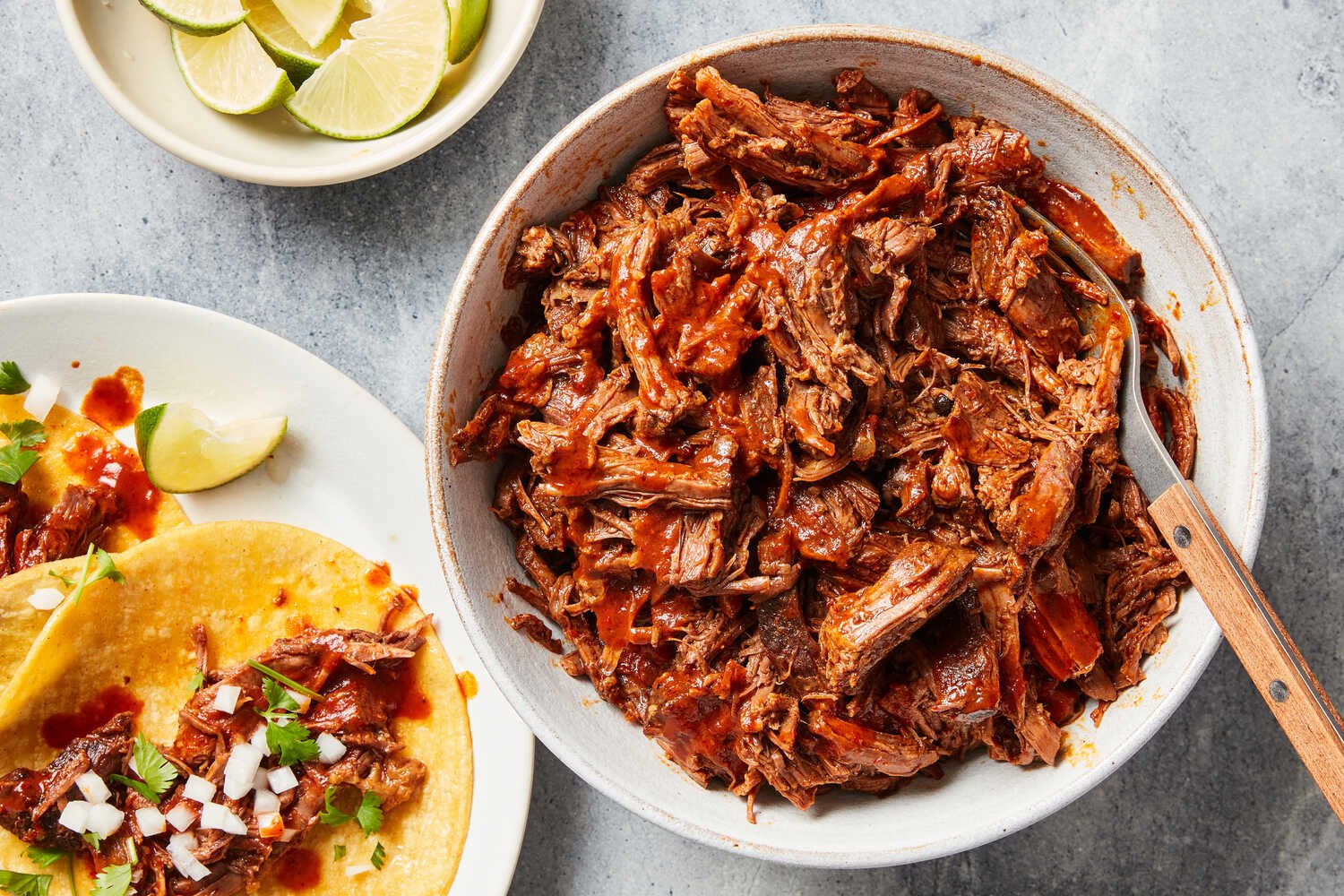
When people ask, “What is barbacoa?” they are often referring to a time-honored culinary tradition that has captivated food enthusiasts around the world. Barbacoa meat is more than just a dish—it’s a method of slow-cooking that transforms tough cuts of meat into tender, flavorful masterpieces. Originating from ancient indigenous practices, barbacoa involves pit-cooking or steaming meat underground, infusing it with earthy aromas and rich seasonings. In modern contexts, especially in Mexican cuisine, barbacoa typically features beef, lamb, or goat, slow-roasted until it falls apart effortlessly. This article delves deep into the essence of barbacoa meat, exploring its cuts, texture, and taste, while providing historical context and practical insights. Whether you’re a home cook curious about replicating this at home or simply wondering, “What is barbacoa?” in the context of your next taco night, understanding these elements will enhance your appreciation for this succulent delicacy.
Barbacoa meat stands out for its versatility and depth of flavor, making it a staple in tacos, burritos, and traditional feasts. The process emphasizes low-and-slow cooking, which breaks down connective tissues in the meat, resulting in a melt-in-your-mouth experience. As we unpack the intricacies of barbacoa, we’ll address common questions like the best cuts to use, how the texture evolves during cooking, and what makes its taste so uniquely addictive. By the end, you’ll have a comprehensive grasp of why barbacoa continues to be celebrated across cultures.
To truly understand barbacoa meat, one must start with its roots. The term “barbacoa” derives from the Taíno people of the Caribbean, an indigenous group whose word “barabicu” referred to a wooden framework used for cooking meat over fire. This method predates European colonization and was adopted and adapted by various cultures in the Americas. In pre-Columbian Mexico, indigenous communities like the Maya and Aztecs employed similar techniques, digging pits in the ground to slow-cook whole animals wrapped in agave leaves over hot coals. These pits, often lined with stones and covered with earth, created a natural oven that trapped steam and smoke, tenderizing the meat over hours or even days.
As Spanish colonizers arrived in the 16th century, they encountered this practice and integrated it into their own culinary traditions, spreading it throughout Mexico and beyond. In regions like Hidalgo and Tlaxcala in central Mexico, barbacoa became synonymous with communal celebrations, such as weddings and festivals, where entire sheep or goats were prepared in underground ovens. Over time, the technique evolved to include beef, particularly after cattle were introduced to the New World. Today, when someone asks, “What is barbacoa?” in a historical sense, it’s a nod to this fusion of indigenous ingenuity and colonial influences, resulting in a dish that’s both rustic and refined.
The evolution of barbacoa also reflects socio-economic factors. In rural areas, it was a way to utilize less desirable, tougher cuts of meat from animals raised for other purposes. This resourcefulness turned necessity into artistry, with flavors enhanced by local herbs and spices. Understanding this history is key to appreciating why barbacoa meat isn’t just food—it’s a cultural artifact that tells stories of resilience and adaptation.
The preparation of barbacoa meat is an art form that varies by region but adheres to core principles of slow cooking. Traditionally, a pit about three to four feet deep is dug in the ground. Hot coals or rocks are placed at the bottom, followed by the seasoned meat wrapped in maguey (agave) leaves, which impart a subtle earthy flavor and help retain moisture. The pit is then covered with more leaves, soil, and sometimes a metal sheet, allowing the meat to cook for 8 to 12 hours or overnight. This steaming process, fueled by the residual heat, breaks down the meat’s fibers without drying it out.
In modern adaptations, especially in urban settings or home kitchens, barbacoa is often prepared using slow cookers, Dutch ovens, or pressure cookers like the Instant Pot. The meat is marinated in a blend of spices—think garlic, cumin, oregano, chili powders, and sometimes chipotle peppers in adobo sauce—then cooked low and slow with broth or vinegar for acidity. While purists argue that the underground method yields the most authentic results, these contemporary techniques make barbacoa accessible to everyone. Regardless of the method, the goal remains the same: achieving meat that’s so tender it shreds with a fork.
Seasoning plays a crucial role in preparation. In some recipes, the meat is rubbed with a paste of dried chilies, onions, and herbs before cooking. Others incorporate banana leaves instead of agave for a different aromatic profile. The key is patience; rushing the process can result in tough meat, undermining the very essence of what barbacoa represents.
One of the most intriguing aspects when exploring “What is barbacoa?” is the variety of meat cuts employed. Barbacoa thrives on tougher, collagen-rich cuts that benefit from prolonged cooking, as the heat converts collagen into gelatin, yielding a silky texture. In traditional Mexican barbacoa, beef cheeks (cachete) or the entire cow’s head (barbacoa de cabeza) are prized for their marbling and flavor. These cuts, from the facial muscles, are naturally tough but become incredibly tender after hours of simmering.
Beef chuck roast and shoulder are also common, especially in Americanized versions like those at Chipotle. Chuck, from the shoulder area, has ample fat marbling that melts during cooking, infusing the meat with richness. Brisket, another favorite, offers a beefy depth with its connective tissues breaking down beautifully. For non-beef options, lamb shoulder or goat (cabrito) are traditional in regions like northern Mexico, providing a gamier taste.
When selecting cuts, look for those with visible fat and connective tissue—these are what make barbacoa meat so succulent. In some preparations, organ meats like tongue or liver are included for added complexity. The choice of cut not only affects texture but also the overall yield, as fattier pieces shrink less during cooking.
Texture is a hallmark of well-prepared barbacoa meat, setting it apart from other slow-cooked dishes. After hours of cooking, the meat achieves a shreddable consistency that’s tender yet retains some structure—not mushy or stringy. This is due to the breakdown of collagen into gelatin, which coats the muscle fibers, creating a juicy, melt-in-the-mouth feel.
In pit-cooked barbacoa, the steam from the underground oven ensures even moisture distribution, resulting in meat that’s succulent throughout. Modern methods aim to replicate this by adding liquids like beef broth or apple cider vinegar to the pot. The exterior might develop a slight bark from seasonings, adding a subtle chew, while the interior remains fork-tender.
Factors influencing texture include cooking time and temperature. Undercooking leaves the meat tough; overcooking can make it dry. Ideal barbacoa has a velvety mouthfeel, with juices releasing upon biting. This texture makes it perfect for tacos, where it contrasts with crisp toppings like onions and cilantro.
The taste of barbacoa meat is a symphony of savory, spicy, and earthy notes that linger on the palate. At its core, it’s deeply beefy or lamb-like, amplified by slow cooking that concentrates natural flavors. Seasonings like cumin, oregano, garlic, and chili powders add warmth and complexity, while chipotle peppers introduce smokiness and heat.
The maguey leaves in traditional preparations impart a subtle herbal earthiness, not overpowering but distinctive. Acidity from lime or vinegar balances the richness, cutting through the fat. Regional variations might include cloves for sweetness or bay leaves for aroma. Overall, the taste is bold yet harmonious, making barbacoa addictive.
Barbacoa varies widely across Mexico and beyond. In Hidalgo, it’s often lamb wrapped in agave, served with consommé. Tex-Mex versions use beef chuck with Texan spices. In the Caribbean, it’s closer to barbecue with pork.
Modern twists include vegetarian options with jackfruit, mimicking the texture and taste.
For home cooks wondering, “What is barbacoa?” in practice, start with 3-4 pounds of chuck roast. Season with a rub of chili powder, cumin, garlic, salt, and oregano. Add chipotles, onions, and broth to a slow cooker; cook on low for 8 hours. Shred and serve.
Barbacoa shines in tacos with corn tortillas, topped with cilantro, onions, and salsa. Pair with rice, beans, or as a burrito filling.
In summary, when pondering “What is barbacoa?” remember it’s a celebration of slow-cooked perfection, from its historical pits to modern kitchens. The cuts, texture, and taste combine to create an unforgettable experience that transcends borders.
Barbacoa meat is traditionally made from beef, lamb, or goat. Common cuts include beef cheeks, chuck roast, or shoulder, which are slow-cooked to tenderness.
It can be, depending on the recipe. Many include chili peppers or chipotles for heat, but the spice level varies from mild to fiery.
Barbacoa is slow-cooked in a pit or braised, often with beef or lamb, while carnitas uses pork that’s fried after braising for crispiness.
Yes, use a slow cooker or oven. The key is low heat and moisture to achieve similar results.
It has a savory, earthy flavor with notes of spices like cumin and garlic, and a tender, juicy texture.
In moderation, yes—it’s protein-rich, but watch for fat content in cuts like cheeks. Opt for leaner versions and pair with veggies.
It originated from indigenous Taíno practices in the Caribbean, adapted in Mexico post-colonization.
Traditionally, 8-12 hours in a pit; in a slow cooker, 6-8 hours on low.